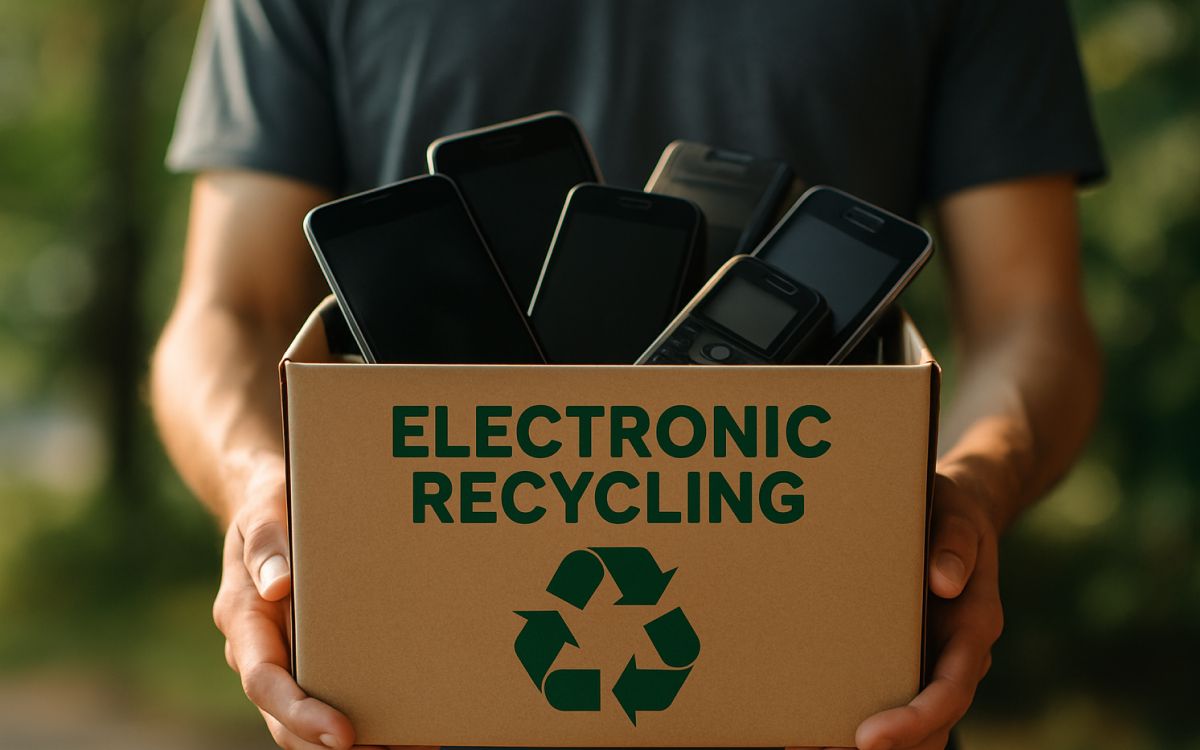
How to discard old devices safely
Old phones, broken chargers, unwanted cables, and other e-waste accumulate quickly in homes. They clutter drawers and shelves, taking up a lot of space without one even realizing it. While disposing of electronics is not difficult, it generally requires following a few basic steps to protect the environment and ensure one’s own safety. These include wiping personal data from devices, properly sealing them, and considering reuse and recycling options.
Why proper disposal matters
Electronic devices contain tiny amounts of chemicals, such as lead and mercury, which can contaminate the soil in the landfills. That’s why, instead of tossing them into regular trash bins, disposing of them through other, safer channels is best.
A large part of the e-waste can also be recycled to make new products. This is a good way to support local facilities and create jobs in collection, sorting, and repair roles. Considering that households produce millions of tons of e-waste each year, recycling old electronics can help generate significant local revenue.
Proper disposal is also important for one’s own safety. Many small businesses refurbish and resell electronics. That’s why, when disposing of things like smartphones, laptops, and storage devices, one should wipe off all their data to keep it out of reach of the next person who uses the device.
How to dispose of electronic devices
Back up and wipe data
The first step is to back up important photos, files, or contacts stored on the device. One can back up their data either on the cloud or on an external physical drive. This is an invaluable step, as it ensures the information remains accessible even after the device is disposed of.
After backing up the data, a factory reset must be done to wipe everything from the old device. Devices like phones, tablets, and computers can be restored to factory settings by following the manufacturer’s user guide. For devices like hard drives, tools like DBAN can be used to overwrite data multiple times to prevent recovery after disposal.
Explore reuse options
Devices that still work can be given a second life instead of being thrown away. This can be done by donating them to schools, nonprofits, or programs like Cell Phones for Soldiers. Organizations like these refurbish pre-owned devices for community use, extending their lifespan.
Another option is to resell the device online. This is a good way to make money out of used electronics. Or, trade-ins can be done with big-box retailers or with electronic manufacturers to earn store credit. They handle everything from device condition checks to refurbishment, making the resale process easier.
Find recycling centres
Old electronic devices that are not in a condition for reuse can be sent for recycling. Platforms like Earth911.com and Call2Recycle make recycling easy by connecting users to nearby drop-off points and programs. Other options include participating in free recycling drives hosted by local organizations or using retailer programs and mail-back services.
Whether recycling via an online platform or a local organization, one must ensure that an ethical, proper recycling process is followed before sending the devices off. Most recycling processes involve separating batteries and screens using specialized processes. Proper verification ensures safety and prevents exports of harmful components.
Tips for safe e-waste disposal
It’s essential to follow a few tips when disposing of old electronic items.
- Pack and handle the device carefully because it may contain fragile screens, batteries, and sharp edges.
- Avoid tossing e-waste into curbside bins, as it is illegal in many places and can lead to fines.
- Always verify the buyer before selling a used device, as there is a risk of exporting it to unsafe facilities overseas. Only send the device to certified recyclers to avoid such problems.
- Make the donation, reselling, or recycling process easier by removing SIM cards and personal accessories before handover.